
Inverters for sale
Solar inverters provide efficient and reliable power conversion for residential, commercial, agricultural and industrial solar systems. They convert the direct current (DC) electricity generated by solar panels into alternating current (AC) electricity that can be used by appliances, equipment and other electrical loads. Depending on the model, solar inverters can also work with compatible battery storage to provide backup power and improve energy management.
Solar Inverters for sale
-
Solar Inverters
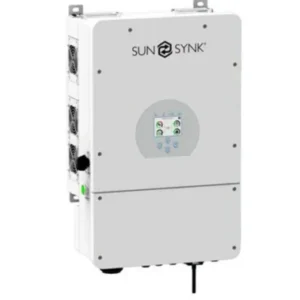
Sunsynk 50Kw Hybrid Inverter
R90 889,00Original price was: R90 889,00.R75 000,00Current price is: R75 000,00. -
Solar Inverters
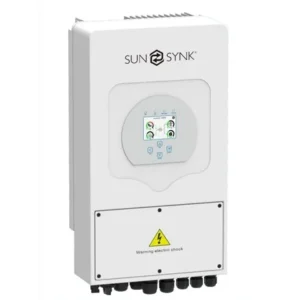
Sunsynk5kW 1P Hybrid inverter
R17 480,00Original price was: R17 480,00.R14 859,00Current price is: R14 859,00. -
Solar Inverters
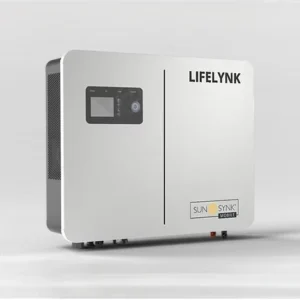
6kW Sunsynk Lynks Inverter
R13 851,00Original price was: R13 851,00.R11 355,00Current price is: R11 355,00. -
Solar Inverters
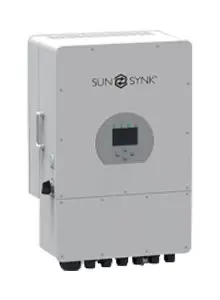
Sunsynk 12kW Hybrid Inverter
R39 917,00Original price was: R39 917,00.R35 568,00Current price is: R35 568,00. -
Solar Inverters
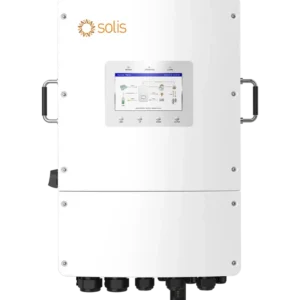
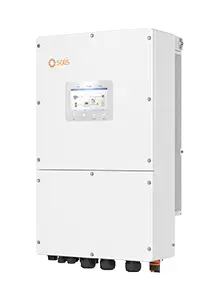
Solis 5kW Hybrid Inverter
R11 005,00Original price was: R11 005,00.R7 500,00Current price is: R7 500,00. -
Solar Inverters
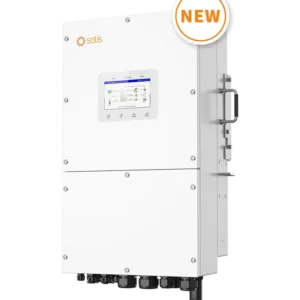
12kWSolis S6 Hybrid Inverter
R34 612,00Original price was: R34 612,00.R29 850,00Current price is: R29 850,00. -
Solar Inverters
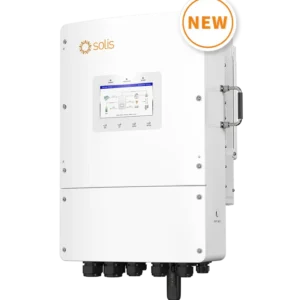
SolisS6 12kW Hybrid Inverter
R40 469,00Original price was: R40 469,00.R30 587,00Current price is: R30 587,00. -
Solar Inverters
SolisS6 15kW Hybrid Inverter
R42 035,00Original price was: R42 035,00.R38 555,00Current price is: R38 555,00. -
Solar Inverters
SolisS6 30kW Hybrid Inverter
R54 169,00Original price was: R54 169,00.R48 458,00Current price is: R48 458,00. -
Solar Inverters
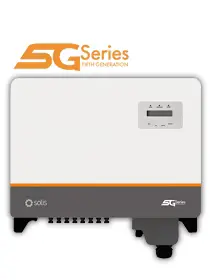
25kW 5G Triple MPPT
R31 395,00Original price was: R31 395,00.R25 577,00Current price is: R25 577,00. -
Solar Inverters
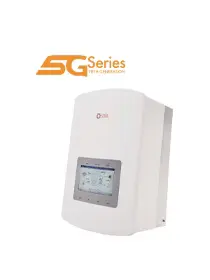
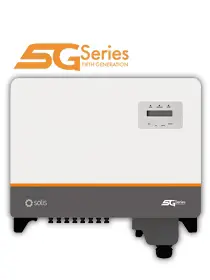
Solis30kW 5G Triple MPPT
R35 799,00Original price was: R35 799,00.R29 654,00Current price is: R29 654,00. -
Solar Inverters
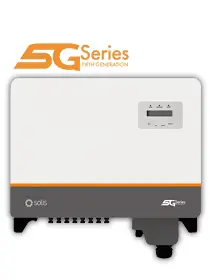
Solis40kW 5G Quad MPPT
R42 671,00Original price was: R42 671,00.R36 525,00Current price is: R36 525,00.
Frequently Asked Questions
A solar inverter converts the direct current (DC) electricity that solar panels generate into alternating current (AC) electricity for household appliances, commercial equipment and industrial electrical loads. First, solar panels generate DC electricity when sunlight reaches them. Next, the inverter converts this DC power into AC electricity for use throughout the property.
In addition, modern solar inverters can manage electricity flow between solar panels, batteries, the grid and connected electrical loads. For example, a compatible hybrid inverter can use solar energy to power appliances while sending excess energy to a battery for storage. Later, the system can use that stored energy when solar production decreases or when the property needs backup power.
Furthermore, many solar inverters offer monitoring and energy-management features. As a result, users can monitor solar production, battery performance and energy consumption while making better use of the electricity their solar system generates.
A solar inverter converts and manages electricity from solar panels, making it different from a conventional power inverter. For example, a solar inverter converts DC electricity from solar panels into AC electricity that household appliances, commercial equipment and other electrical loads can use.
Furthermore, modern solar inverters can offer features such as battery compatibility, energy monitoring and intelligent power management. In addition, hybrid models can combine solar power, battery storage and grid electricity to create a more flexible energy solution.
However, the better choice depends on your specific energy requirements. For instance, a solar inverter works well if you want to generate electricity from solar panels and store excess energy in batteries. On the other hand, a conventional inverter may work better for applications that do not use solar power.
Therefore, consider your solar panel capacity, electrical load, battery requirements and preferred operating mode when choosing an inverter. You can choose from grid-connected, hybrid or off-grid systems depending on your needs. The right system can help you use more renewable energy while improving overall energy management.
Choosing the right solar inverter depends on your property’s energy requirements, solar panel capacity and preferred system configuration. First, determine how much electricity your home, business, farm or industrial operation normally uses. Next, consider how much solar power you want your system to generate.
In addition, decide whether you need battery storage. If you want to store excess solar energy for later use, choose a compatible hybrid inverter that supports your preferred battery system. For example, you can use stored energy when solar production drops or when the grid stops supplying electricity.
Furthermore, consider whether you need an off-grid, grid-tied or hybrid system. For instance, off-grid inverters support properties that operate independently from the electricity grid, while grid-tied systems work alongside an existing grid connection. Meanwhile, hybrid systems combine solar panels, batteries and grid electricity to provide greater flexibility.
Finally, check the inverter’s power rating, battery compatibility, phase configuration, monitoring features and potential for future expansion. By considering these factors, you can select a solar inverter that meets your current energy needs while giving you flexibility for future solar and battery upgrades.
Yes, an inverter generator can be worth the higher upfront cost because it offers better fuel efficiency, quieter operation and cleaner, more stable power than many traditional generators. Unlike conventional generators that often run at a constant speed, an inverter generator adjusts its engine speed according to power demand. This helps reduce fuel consumption when the electrical load is low.
An inverter generator also produces stable power, making it suitable for many sensitive electronic devices, including laptops, televisions and other modern electronics. For greater flexibility, you can combine a compatible inverter generator with a portable power station, battery storage or solar panels to create a versatile backup power system.
If you need reliable, efficient and flexible backup power, an inverter generator can deliver excellent long-term value.
What Are Solar Inverters?
Solar inverters are essential devices in modern solar power systems. First of all, they manage the electricity produced by solar panels and convert direct current (DC) electricity into alternating current (AC) electricity for homes, businesses and industrial applications. As a result, appliances, machinery and other electrical equipment can use the energy generated by your solar panels.
Furthermore, modern solar inverters can do much more than basic power conversion. For example, depending on the model, they can manage solar production, connect to battery storage, monitor energy consumption and provide backup power when grid electricity is unavailable. Therefore, selecting the right inverter is important for building an efficient and dependable solar power system.
Types of Solar Inverters
Different properties require different solar power solutions. For this reason, choosing the correct inverter depends on your energy consumption, solar panel capacity, battery storage and connection to the electricity grid. In addition, understanding the main inverter types makes it easier to select the right solution for your application.
Hybrid Solar Inverters
Solar inverters with hybrid technology combine solar power, battery storage and grid electricity. In this way, they can direct solar energy to electrical loads, charge connected batteries and use stored energy when solar production is low.
As a result, a hybrid inverter is a suitable choice for homes and businesses that want greater control over their energy use. Furthermore, battery storage can provide additional backup power during electricity interruptions.
Off-Grid Solar Inverters
Off-grid inverters are designed for solar systems that operate independently of the electricity grid. For example, they are commonly used for farms, remote properties, workshops, lodges and other locations where grid electricity is unavailable or unreliable.
In addition, an off-grid system can combine solar panels, batteries and an inverter to provide an independent source of electrical power. Therefore, this type of system can be particularly useful in remote locations.
Grid-Tied Solar Inverters
Grid-tied inverters are designed for solar installations connected to the electricity grid. In particular, they convert solar energy into usable AC electricity and allow a property to use solar power alongside grid electricity.
Consequently, these systems can help reduce dependence on grid electricity and make better use of the energy produced by your solar panels. However, the installation should be designed according to the applicable electrical requirements.
Benefits of Solar Inverters
Installing the right inverter can provide several benefits for residential, commercial and industrial solar systems. For example, a suitable system can improve energy conversion, support battery storage and provide greater control over electricity use.
Efficient Energy Conversion
Solar inverters convert DC electricity from solar panels into AC electricity that can be used by appliances, machinery and other electrical equipment. As a result, efficient conversion helps your solar system make better use of the energy produced by your panels.
Furthermore, efficient power conversion can help ensure that generated solar energy is available for the electrical loads connected to the system.
Battery Storage Compatibility
Many modern inverters can work with lithium batteries and other compatible energy storage systems. Therefore, excess solar energy can be stored for use later when solar production decreases.
In addition, battery storage can increase the flexibility of a solar system. For example, stored energy can be used when sunlight is limited or when grid electricity is unavailable.
Backup Power
Selected hybrid inverters can provide backup power when the electricity grid fails. When combined with suitable batteries, these systems can keep essential appliances and equipment running during power interruptions.
As a result, homeowners and businesses can maintain access to important electrical loads when grid power is interrupted. Furthermore, battery-backed systems can provide greater energy independence.
Energy Monitoring
Many advanced inverters include monitoring functions that allow users to track solar production, battery performance, energy consumption and system status. Consequently, users can better understand how their solar system is performing.
In addition, monitoring can help identify changes in energy production and consumption. Therefore, users can make better decisions about how and when they use stored or generated electricity.
Flexible Solar System Design
Solar inverters are available in different power ratings and configurations. Therefore, installers can design systems for small residential properties, large homes, commercial buildings, farms and industrial facilities.
Furthermore, different inverter configurations allow solar systems to be adapted to varying electrical loads. As a result, customers can select equipment that better matches their current and future energy requirements.
Choosing the Right Solar Inverter
Choosing a solar inverter requires careful consideration of your property’s energy requirements. First, the inverter should match your solar panel capacity, battery system and expected electrical load. Next, consider the following factors before making a purchase:
- Inverter capacity: Choose a suitable power rating for your electrical loads and solar system.
- Solar panel capacity: In addition, make sure the inverter can handle the planned PV input.
- Battery compatibility: Furthermore, check that the inverter supports your preferred battery technology.
- Single-phase or three-phase: Similarly, select the configuration that matches your electrical supply.
- Grid connection: Next, decide whether you need an off-grid, grid-tied or hybrid system.
- Backup requirements: Also, consider whether you need backup power during outages.
- Monitoring: In addition, look for monitoring features if you want greater control over your system.
- Future expansion: Finally, consider an inverter that can support future solar or battery expansion.
By considering these factors, you can select equipment that suits your property’s current energy requirements while allowing room for future changes.
Solar Inverters for Homes
Solar inverters can help homeowners reduce their dependence on grid electricity and make greater use of renewable energy. For example, a residential solar system can combine solar panels, a suitable inverter and battery storage to provide electricity throughout the day and backup power when required.
Furthermore, hybrid inverters are particularly useful for homeowners who want to combine solar generation with battery storage. During the day, the system can use solar energy to supply electrical loads and charge the battery when excess energy is available.
Later, stored energy can be used when solar production decreases. As a result, homeowners can make greater use of available solar energy while maintaining access to stored power when required.
Solar Inverters for Businesses
Businesses often have higher electricity demands than residential properties. Therefore, the right inverter can help commercial properties manage solar generation, battery storage and grid electricity more effectively.
For example, commercial solar inverter systems can be used for offices, shops, warehouses, farms, workshops, factories and other commercial facilities. In addition, larger systems may use three-phase inverters to support higher electrical loads.
Consequently, businesses can design solar systems around their specific electricity requirements and operating conditions. Furthermore, suitable battery storage can provide additional flexibility when electricity demand changes.
Solar Inverters for Farms and Industrial Applications
Farms and industrial properties can benefit from solar power because many operations require electricity throughout the day. For this reason, inverters can be integrated with solar panels and battery storage to support pumps, machinery, refrigeration, lighting and other electrical equipment.
Furthermore, larger installations can use three-phase and high-capacity inverters to provide the power management required for demanding applications. As a result, solar energy can support a wider range of agricultural and industrial electrical requirements.
For example, a suitable system can be designed around the operating hours and electrical loads of a farm, workshop or industrial facility. Therefore, proper system planning remains important before installation.
Solar Inverters and Battery Storage
Battery storage can make a solar power system more flexible. During periods of strong sunlight, solar panels can generate more electricity than the property immediately requires. Therefore, a compatible hybrid inverter can direct surplus energy to the battery for later use.
When solar production decreases, stored energy can then be used to supply electrical loads. As a result, battery storage can improve energy utilisation and provide an additional source of power during grid interruptions.
However, compatibility between the inverter and battery is important. For this reason, always check the manufacturer’s specifications before combining different inverter and battery models.
In addition, correct battery sizing can help ensure that the storage system matches the property’s energy requirements. Therefore, professional system planning is recommended for larger installations.
Why Choose Fenix Industrial Power?
Fenix Industrial Power supplies power equipment and solar energy solutions for residential, commercial, agricultural and industrial applications. In addition, we offer a selection of solar inverters designed to meet different system requirements and power demands.
Our range includes inverter solutions from recognized brands and different power ratings. Therefore, customers have greater flexibility when designing or upgrading a solar power system.
Whether you need a compact inverter for a home installation or a higher-capacity solution for a commercial or industrial application, our team can help you identify the right type of equipment for your requirements.
Furthermore, selecting the correct equipment can help ensure that your solar system is designed around your expected energy consumption, battery requirements and electrical loads.
Shop Solar Inverters for Sale
Explore our range of solar inverters for sale and find a suitable solution for your solar power system. From hybrid and battery-compatible systems to off-grid and grid-tied applications, our inverter range provides options for different energy requirements.
If you are unsure which solar inverter is suitable for your installation, consider your current electricity consumption, solar panel capacity, battery requirements and electrical load. By considering these factors, you can make a more informed decision when selecting your equipment.
Finally, choosing the right solar inverter can help you build a reliable, efficient and flexible solar power system for your home, business, farm or industrial operation.